

I don’t usually watch TV for some bizarre reason that I can’t explain (maybe short attention span), but the recent few years I’ve made quite a few exceptions and watched Yanxi Palace and now I’m totally addicted to The Longest Day in Chang’An. It’s not my typical kind of show to be honest, I like more romantic, and less action film so my heart doesn’t need to race too fast and I can sleep well at night.
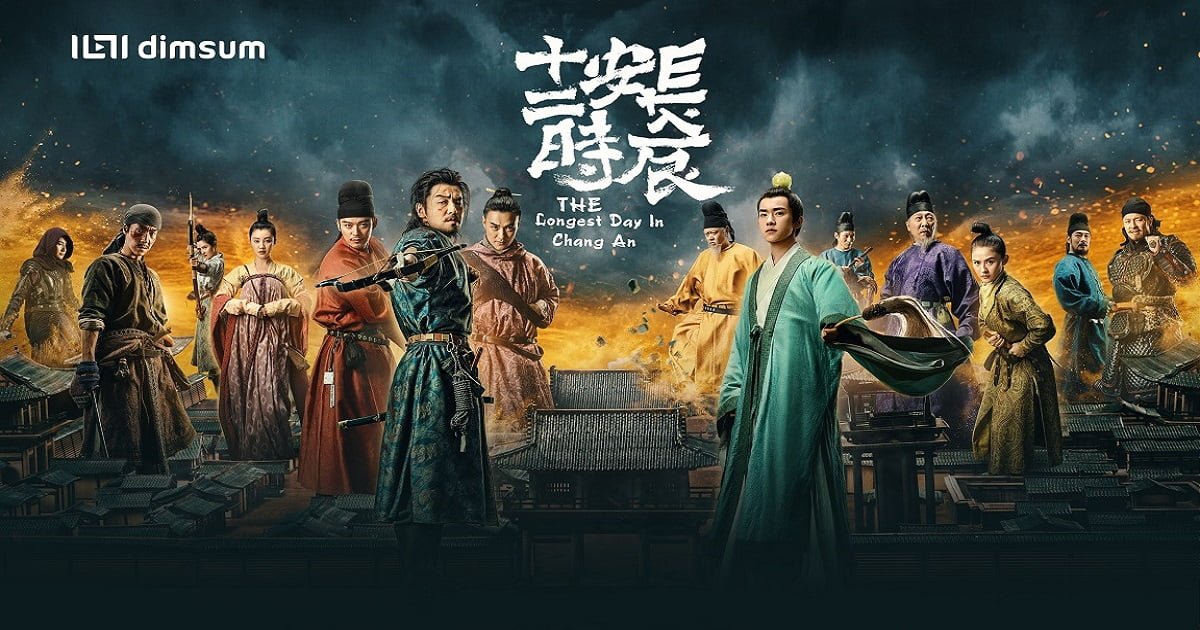
Of course, I was looking forward to it nonetheless because of its promise of an authentic recreation of Tang culture and dressing. And I am not disappointed! YeS! To me, it has achieved more than Yanxi Palace in its authenticity and recreation of a period, with even greater attention to detail in its storyline.
However, it probably would not resonate or be as popular as Yanxi Palace because of the nature of its language (less accessible), its pace (a bit jumpy), people’s general unfamiliarity with the Tang dynasty (definitely not as frequently talked about as the Qing) and also its intensity (I mean most people watch TV for entertainment, and they prefer something less political, historical and..oh wait, there’s GoT).
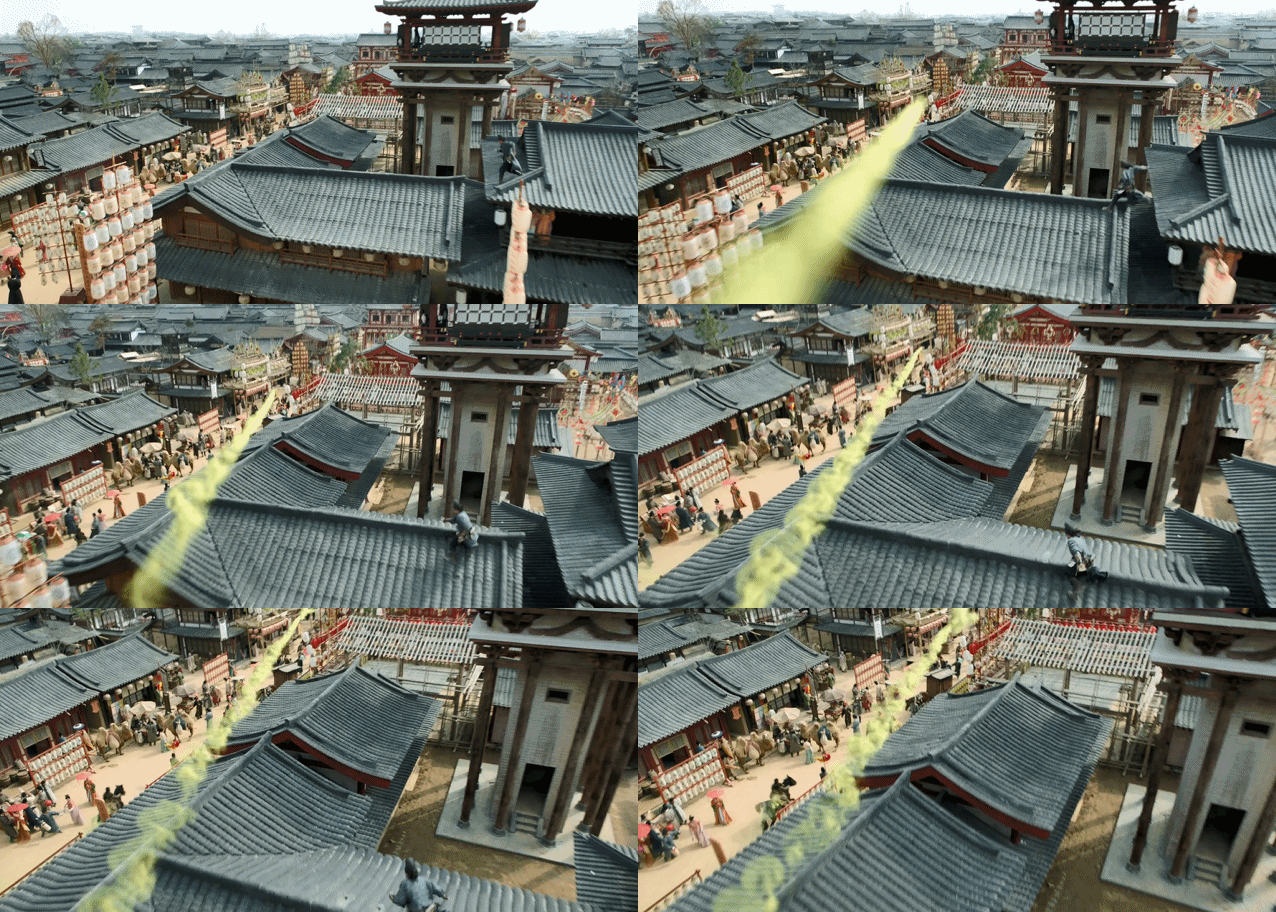
The show is still being updated as we speak (currently on Episode 16) so I shan’t spoil it for anyone (plus the English subs aren’t out except for a few episodes, and trust me, 80% of those reading my blog wouldn’t be able to get past the level of Chinese in the show) so I’ll just give you all heads up to look out for it coming soon!
Spoiler-free reasons why you should watch the show!
1. Move over Forbidden City, there’s a flashier kid on the block
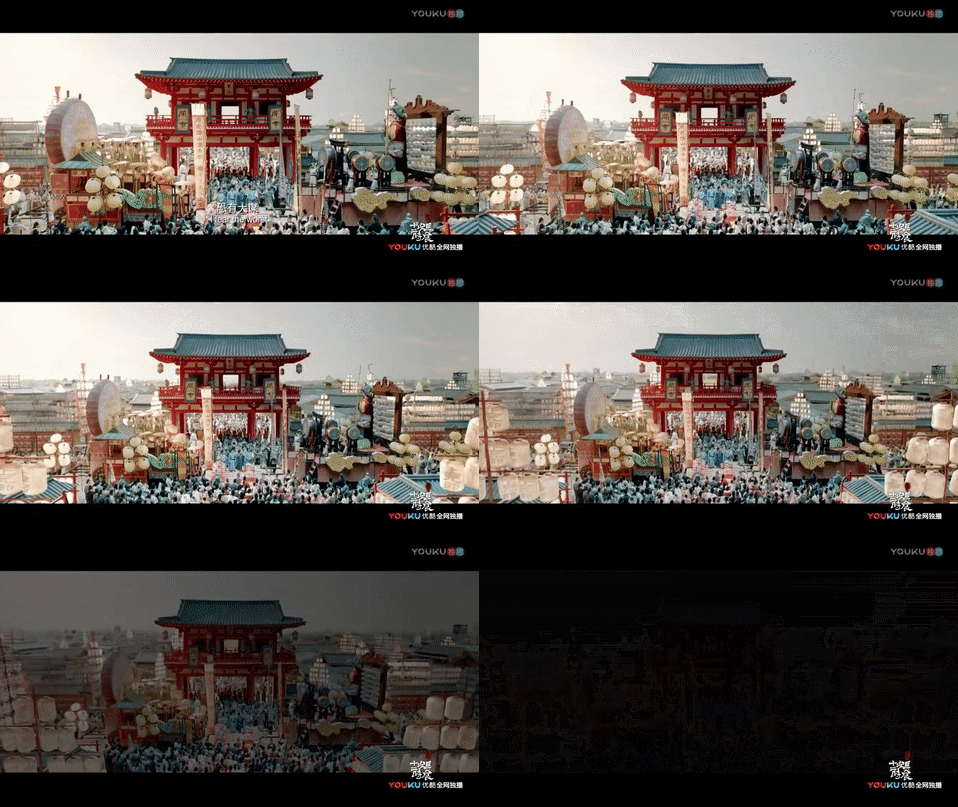
Unlike the common portrayal of a dark, oppressive and claustrophobic Chinese capital in the form of the Forbidden City, a large part of the show is spent on moving through the Tang capital Chang’An during its festive period. It was vibrant, colourful and open. If you think it reminds you of Japanese architecture, then you’re not too far off. Japan was greatly influenced by the Tang culture and architecture that they fashioned many of theirs after the Chinese, with slight differences of course.
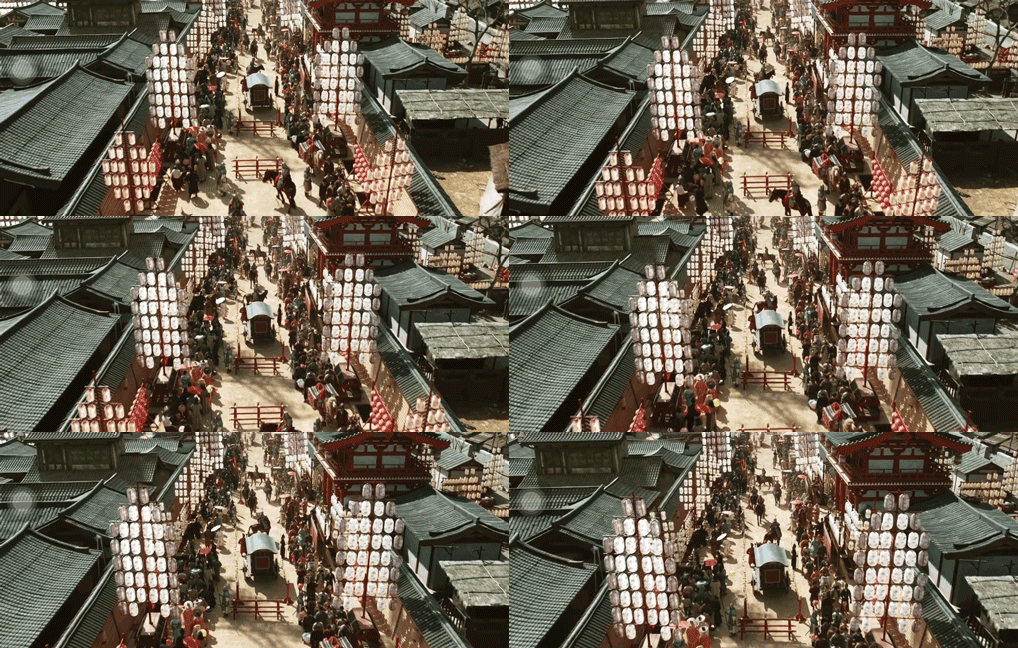
It might not satisfy the orientalism in many of us since we often look to Qing era for that archetypical idea of Chineseness, but if you invest enough time in this show, you’d grow to love Chang’An and its people.

In many ways, unlike the typical Qing palace dramas, this show takes the attention away from the imperial family and gives it to the most forgotten crowd in history–the commoners. It is in many ways, a celebration of the microhistories, the daily concerns, and emotions that we can all relate to even >1,200 years later.
2. Pushes the general concept of cosmopolitan capital back by >1,200 years
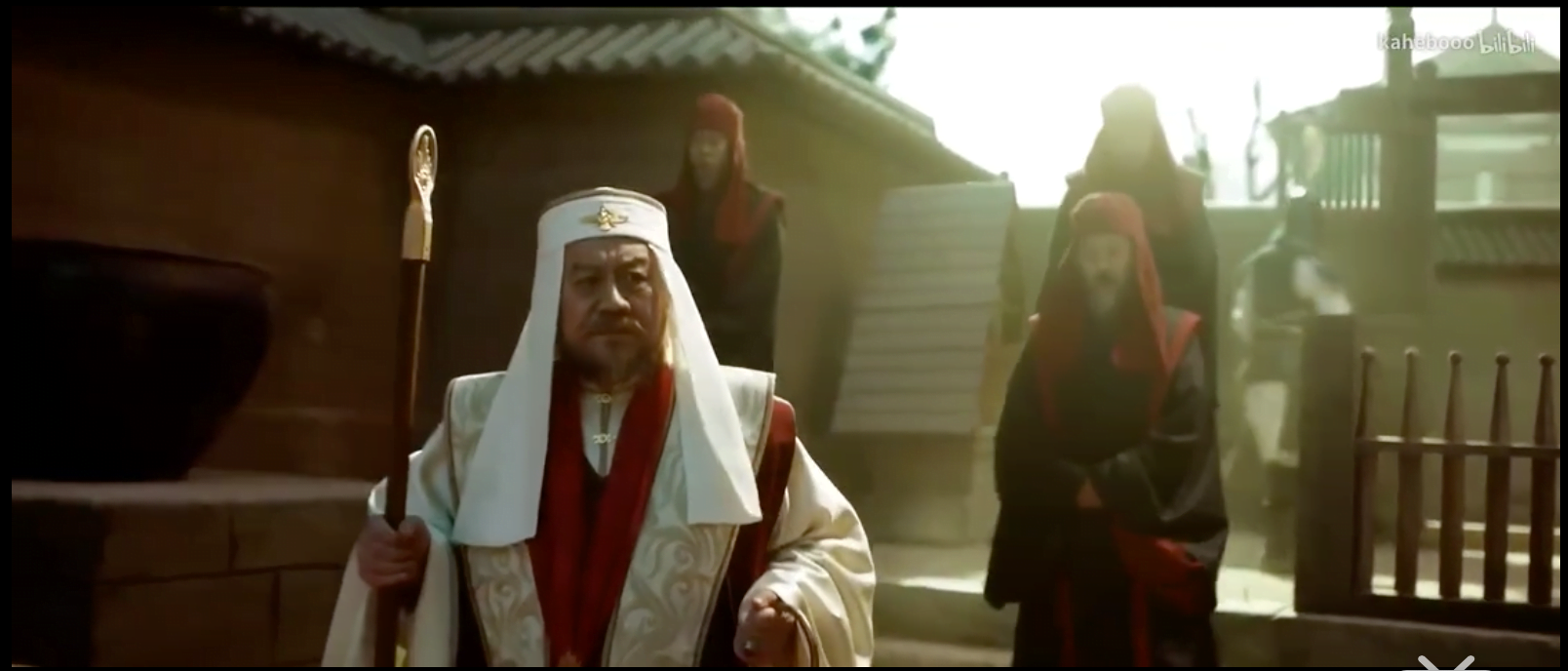
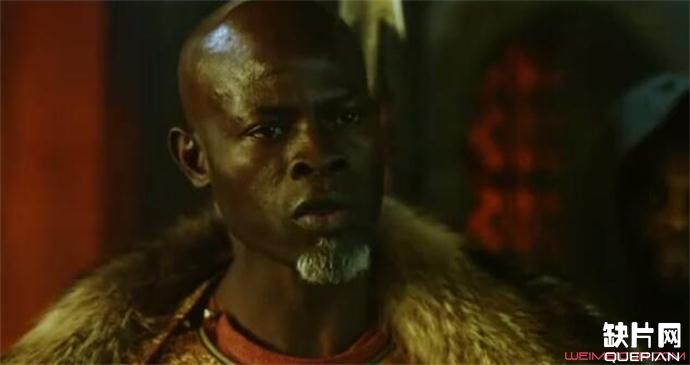
All cosmopolitan capitals have one major trait–inclusiveness of diversity. Chang’An was no exception, at least in its best days. It was the gathering place of people all around the world, the Africans, Southeast Asians, Persians, Arabs, Mongolians, Central Asians, and of course, the Chinese.
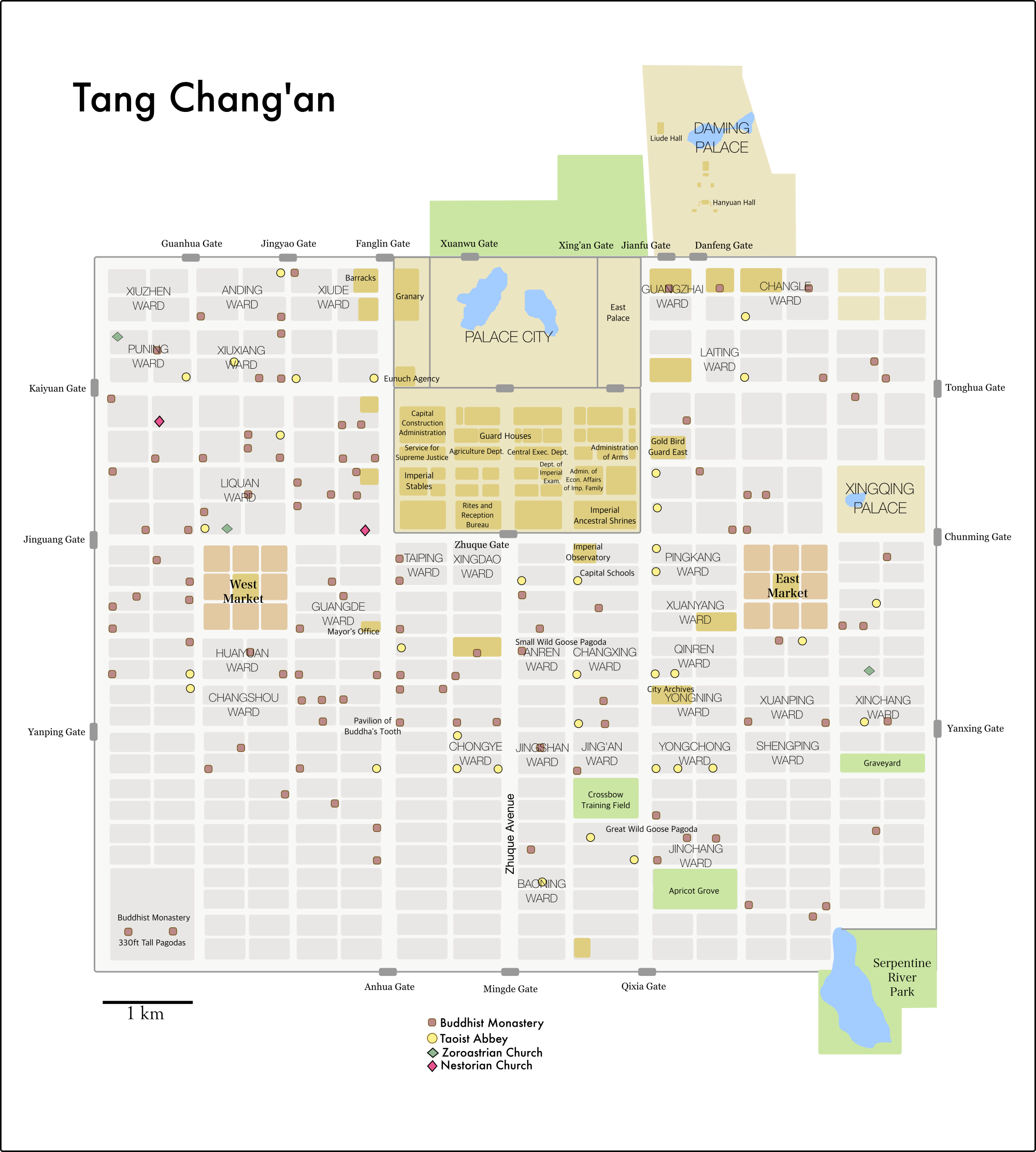
It’s not surprising to find religious diversity and inclusivity in the city. Looking at the map you could tell that there are places where you could find a Zoroastrian Church next to a Buddhist Monastery and a Taoist Abbey, and there’s also a Nestorian Church (early Christians).
The show actually tried to show all these diverse groups in the city, the undercurrent and politics between them and the de facto majority Chinese population, and also the religious sensitivity in such a cosmopolitan city–sounds absolutely relatable?
Of course, all cosmopolitan cities exploit people on varying degrees, through slavery (we have modern day slavery, so let’s not whitewash that) and prostitution.
And it had a super well-established system of law, taxation, civil service system, and governing (too long to talk about in this post for now).
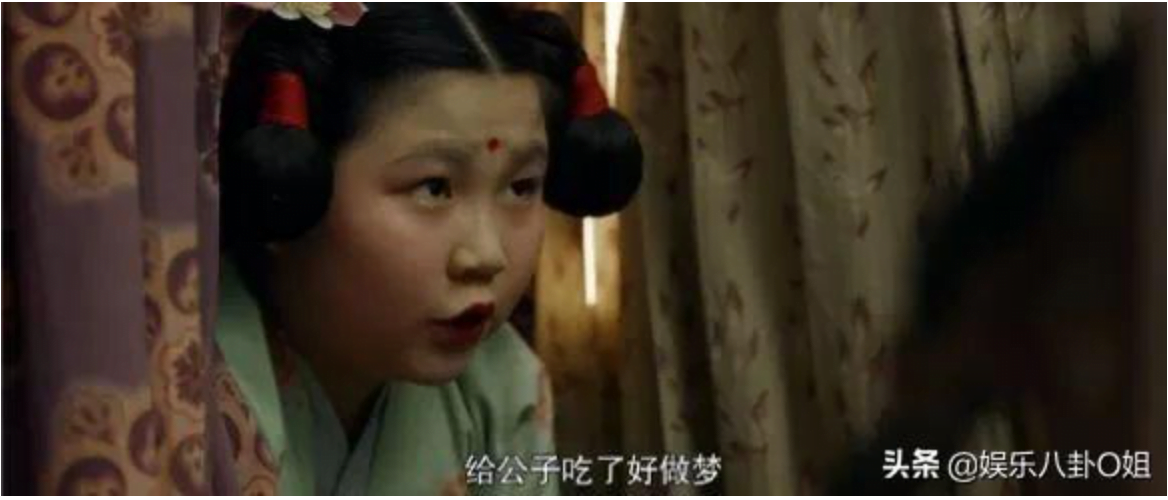
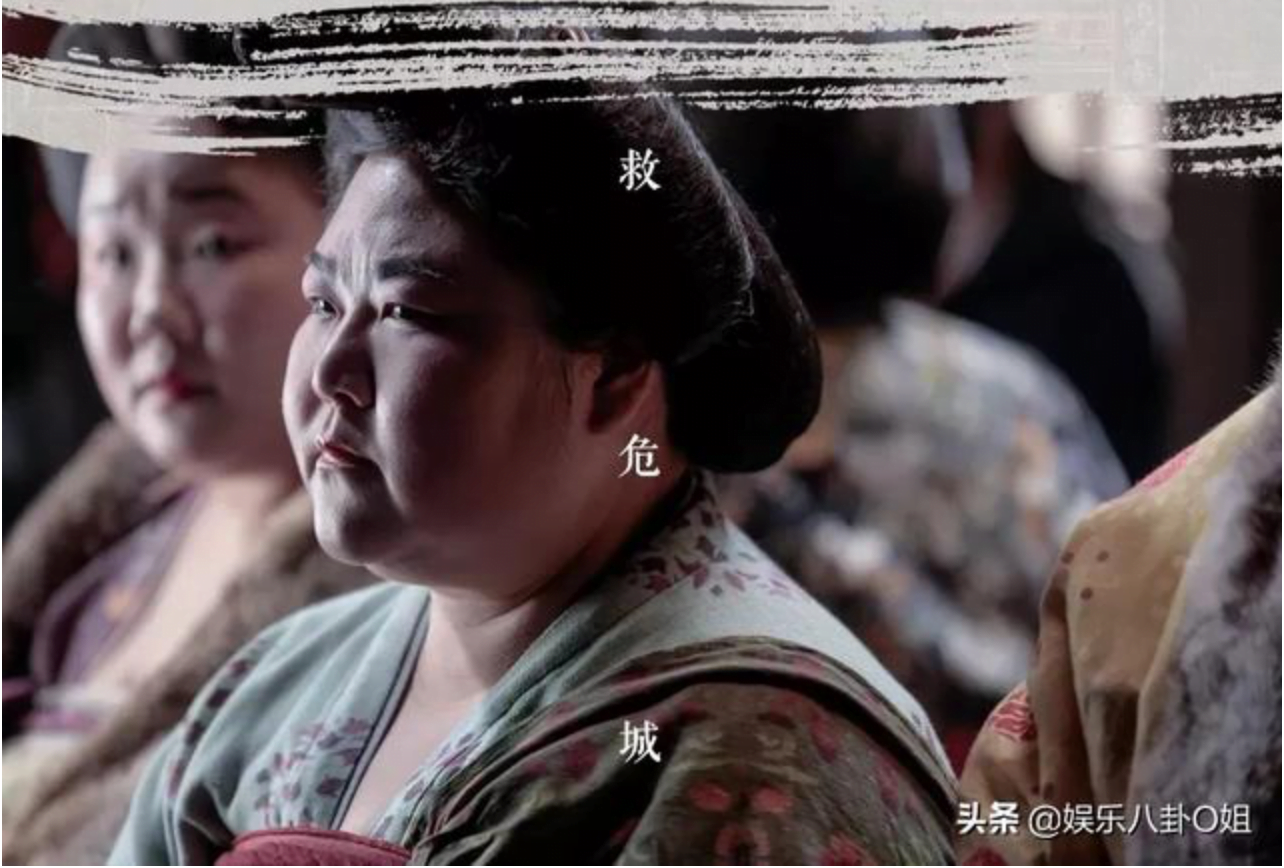
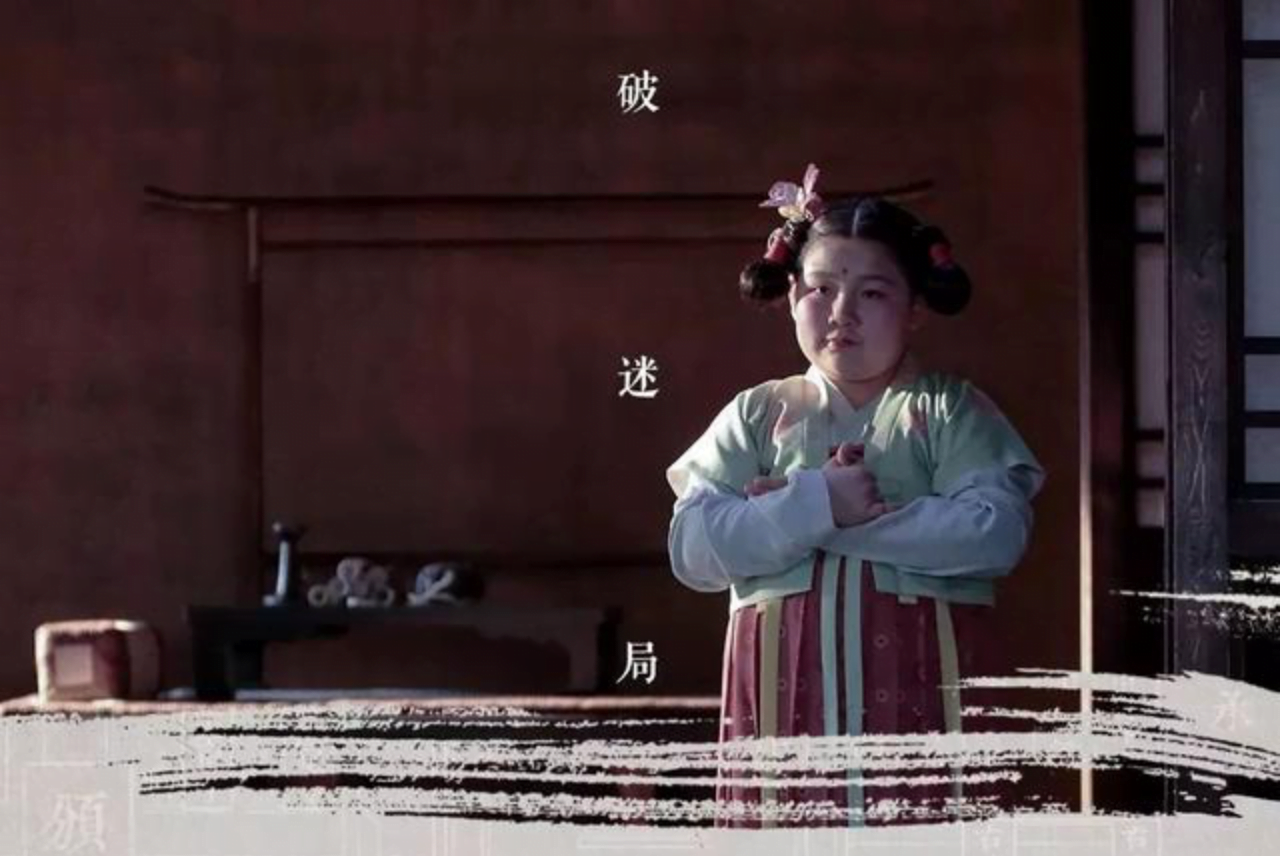
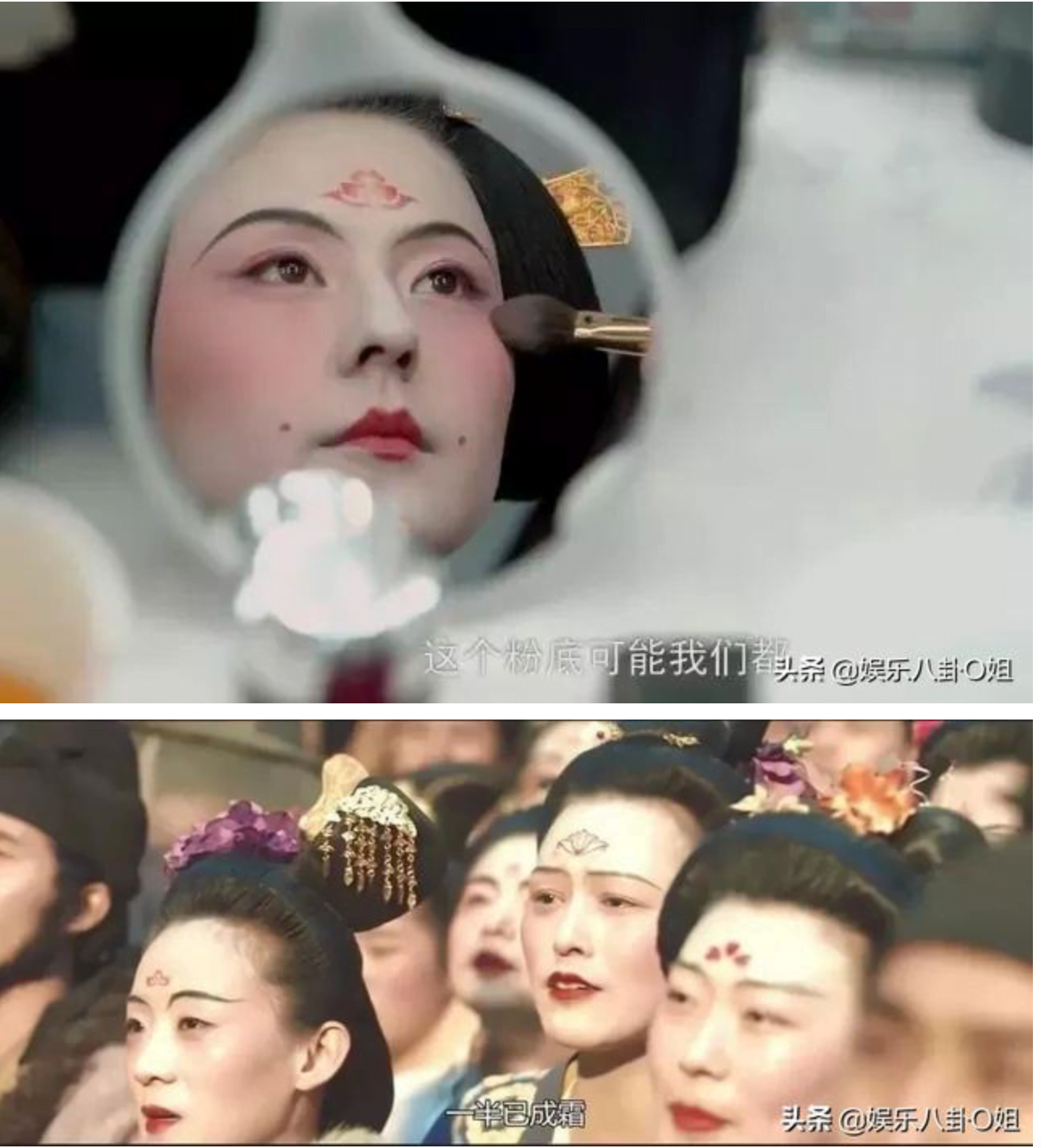
AND, it was body confident. There is enough diversity and inclusivity in make-up, body shape, and aesthetics. p.s. the first and third little girl in the pic is my fav, she’s too cute to ignore.
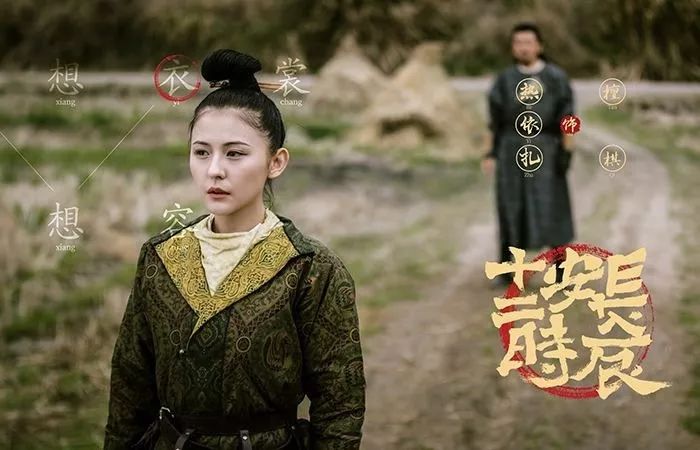
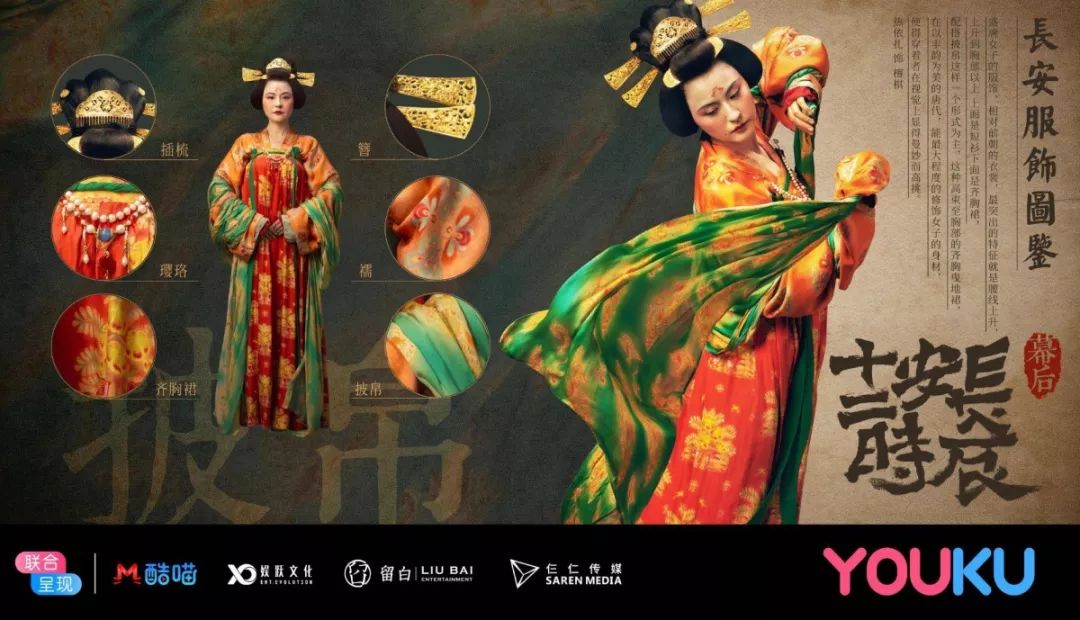
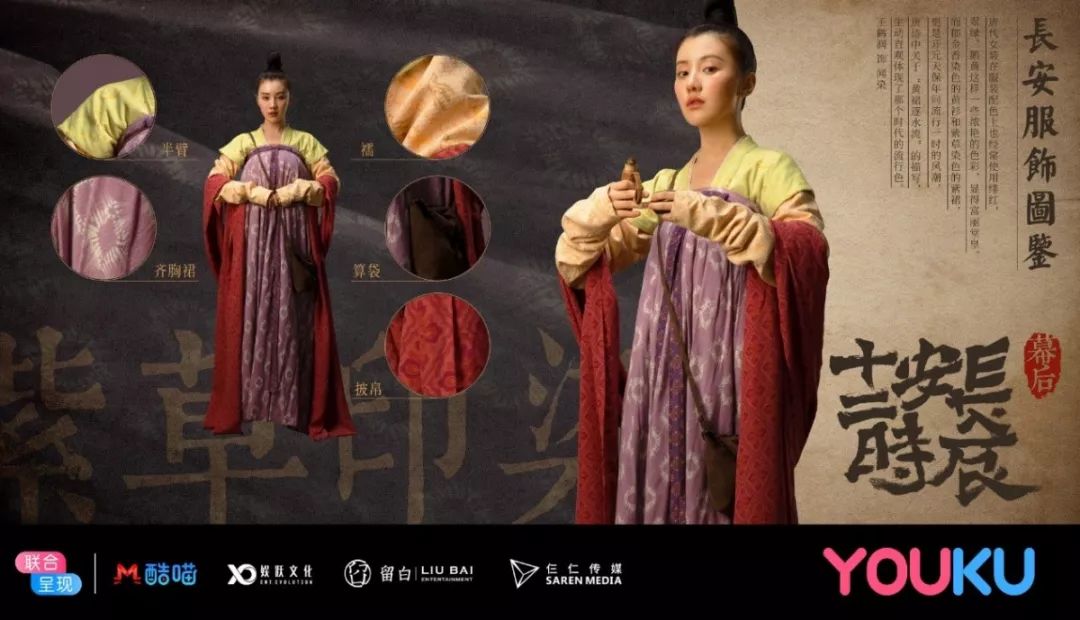
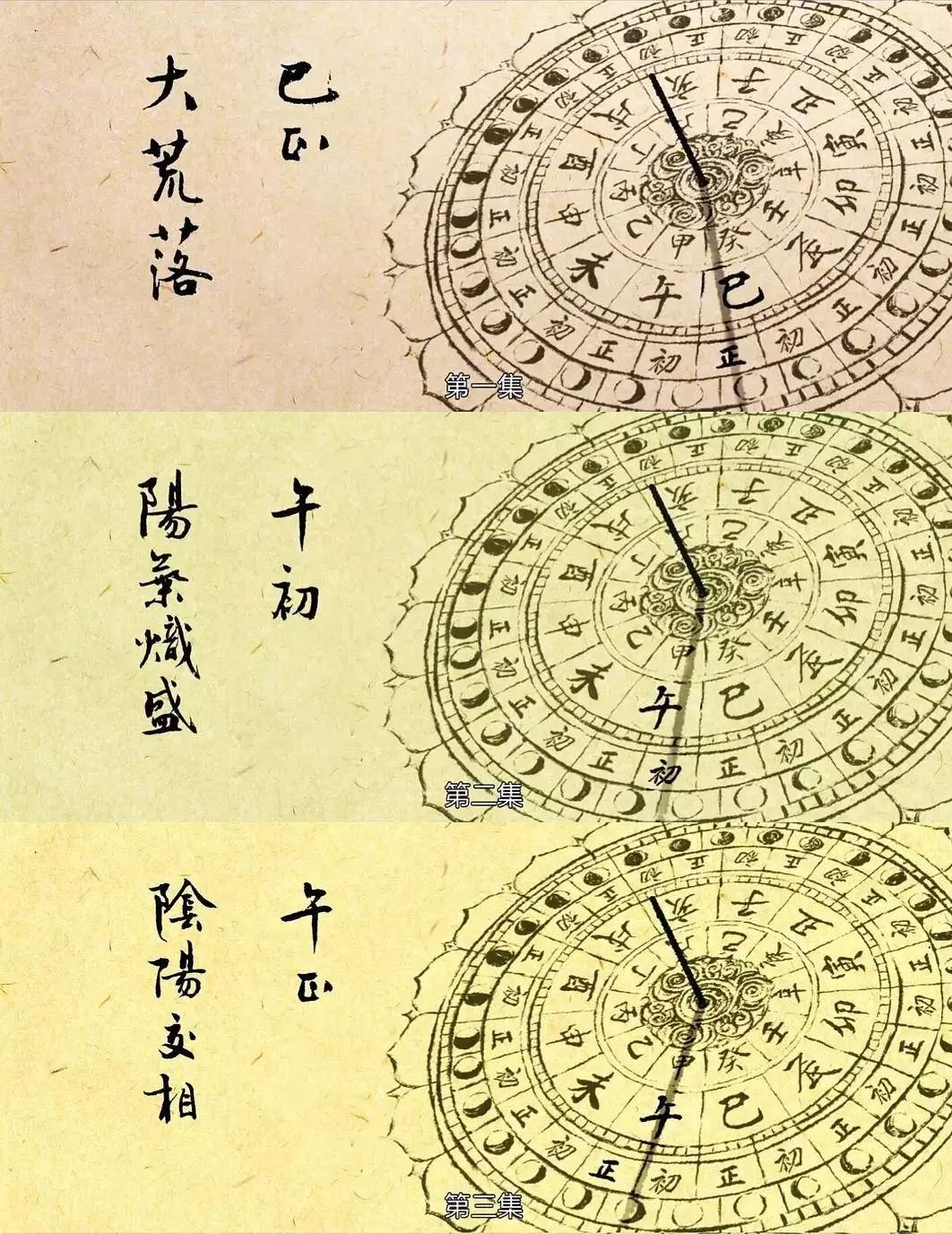
3. Nice visuals and authentic representation
I’m just going to put the images here for you to take it all in.
4. Edutainment at its finest
Film and TV produces/directors have to stop thinking that dumping down is the way to go and that between education and entertainment, something has to give. A good show with attention given to a faithful contextual representation of the period it is set in is much more able to suspend the viewers’ disbelief.
Especially in this info-filled world, it is all the more important that your already-very-smart (smart aleck in some instances too) audiences are taking in nutritious content so they feel that their info absorption is not compromised while watching this show.
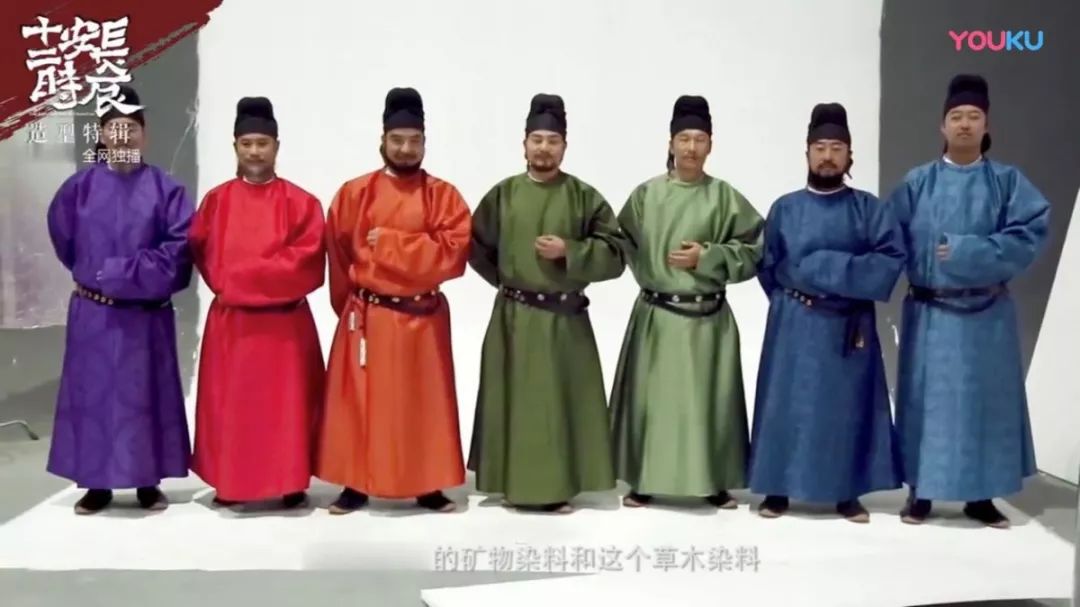
artefactually-accurate dresses and styling
5. Dedication & a respectful interpretation of the past
Let’s admit, we’re never going to faithfully recreate the past. And we really shouldn’t watch TV shows expecting them to be like documentaries. However, I do have immense respect for show producers and directors who value research and details, and those who spend more on the content than on the actors. I’m consistent in my comparison between Yanxi Palace and Legend of Ruyi, and it is the same here where only 30% of the total budget went towards the payment of actors and actresses. There is no real megastar in the show (generally a good indication that the show is spending money in the right place), and you learn SO much more about the period than any documentary (it helps when it’s built into some storyline).
Not going to compare this to other shows yet, but I know there’s one more coming up on Tang dynasty by the people of Yanxi Palace, so we’ll see. 🙂
This is a FANTASTICALLY TANG YEAR! <3 my fav era! SO I WILL DEFINITELy POST MORE IN TIME TO COME!


Leave a Reply