
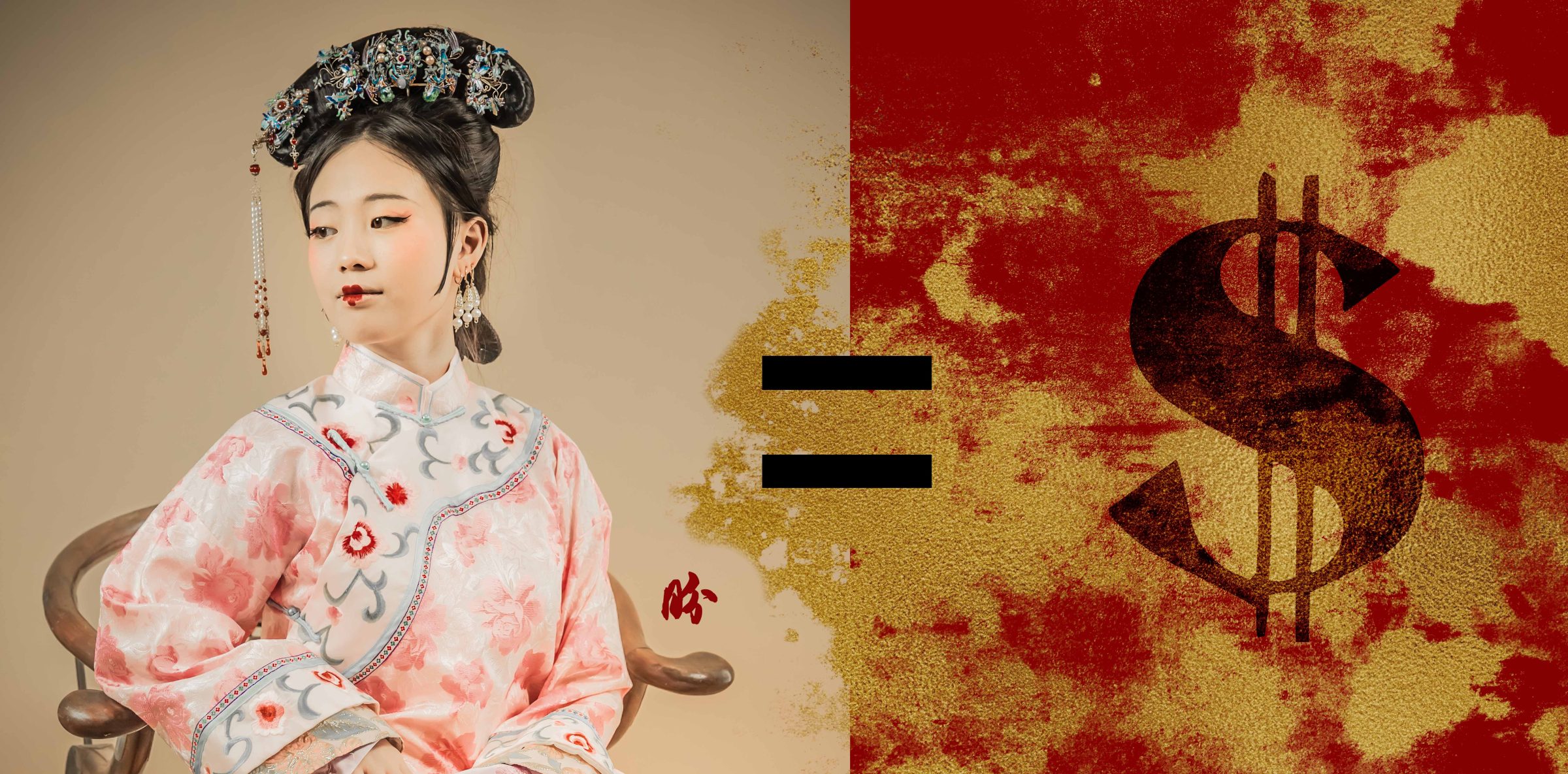
Today we’re going to do some serious Maths (Don’t panic!). Using two latest period dramas as case studies, we will look at the economies of authenticity. Unlike economies of scale which talks about the benefits of mass production, the economies of authenticity is quite the opposite.
In recent years, there is a resurgence in cultural pride in China where authenticity has been used as one of the most powerful marketing and branding identity for sales and promotion of products, services etc. And so it began, sellers would bash each other for not being authentic enough, and dig out really obscure historical information to contradict each other, thereby proving themselves to be more legit than the rest. It is no longer enough to just brag about the raw material or quality of it–that’s a given, but how authentic or faithful to history it is because when you have money, the next level on Maslow’s Hierarchy of Needs is esteem and self-actualisation. It is a transition from nouveau riche to culturally rich.
It is against this backdrop that we discuss the effect of such cultural climate in these two major productions.
If you don’t know already, there are two major Qing dynasty period dramas that have hit our home screens of late–The Story of Yanxi Palace and The Legend of Ruyi. Both have the same budget–0.3 billion RMB (about S$60 million), and both claiming to be as authentic as possible (one is in its attention to details, another is in its attention to ceremonial practices).
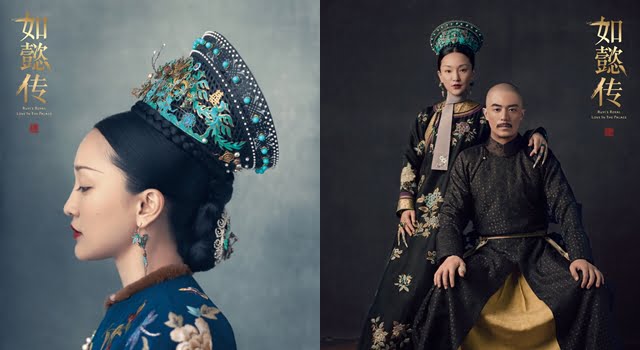
From the onset, everyone thought that The Legend of Ruyi would win hands down based on its stellar cast and its boast of grand scenes and authentic portrayal of imperial ceremonies. Even investors and people in the entertainment scene were so certain of its success that the right to screen it went up to as high as US$100,000/episode (and there are 89 episodes!). In fact, it went to as high as S$3 million/episode eventually when 2 major TV stations and 1 major online streaming channel bought its rights.
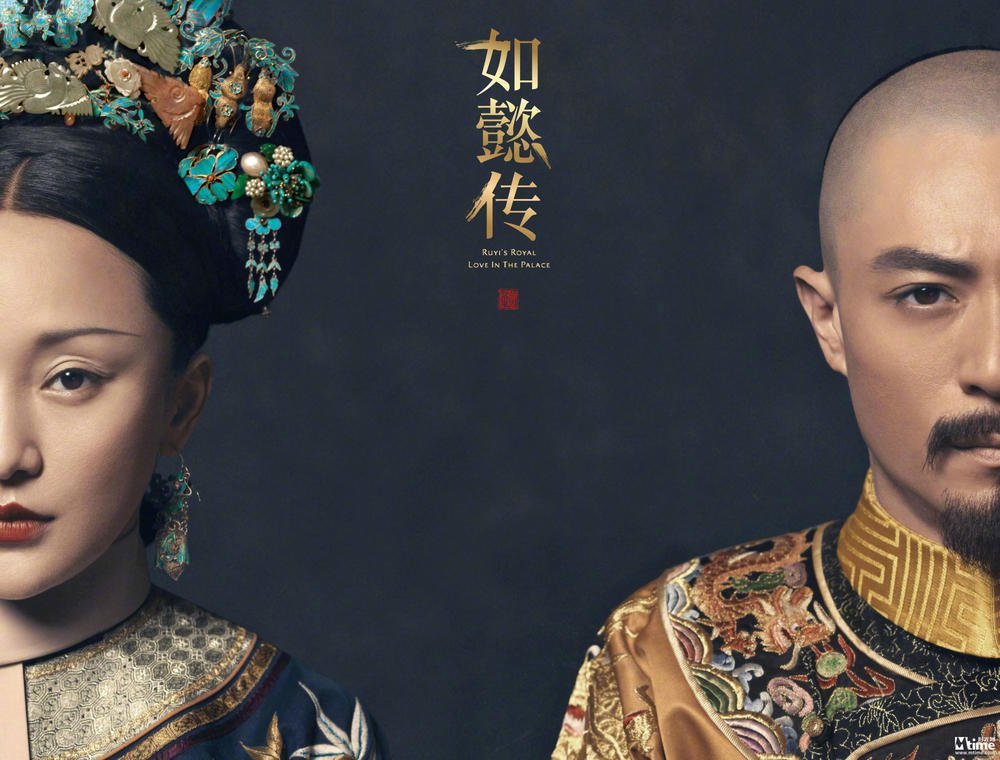
From the publicity photos and all, it certainly seemed to be a sure winner (above). In fact, it was supposed to be shown a year ago but delayed due to the original book’s misleading/inaccurate portrayal of history. Ruyi definitely has kept a lot of people waiting and has really high brand awareness since it boasts to be the sequel of the most successful Qing dynasty drama of the recent decade–The legend of Zhenhuan.
Naturally, it would have amassed a huge following even before it’s shown and there was no doubt of its success.
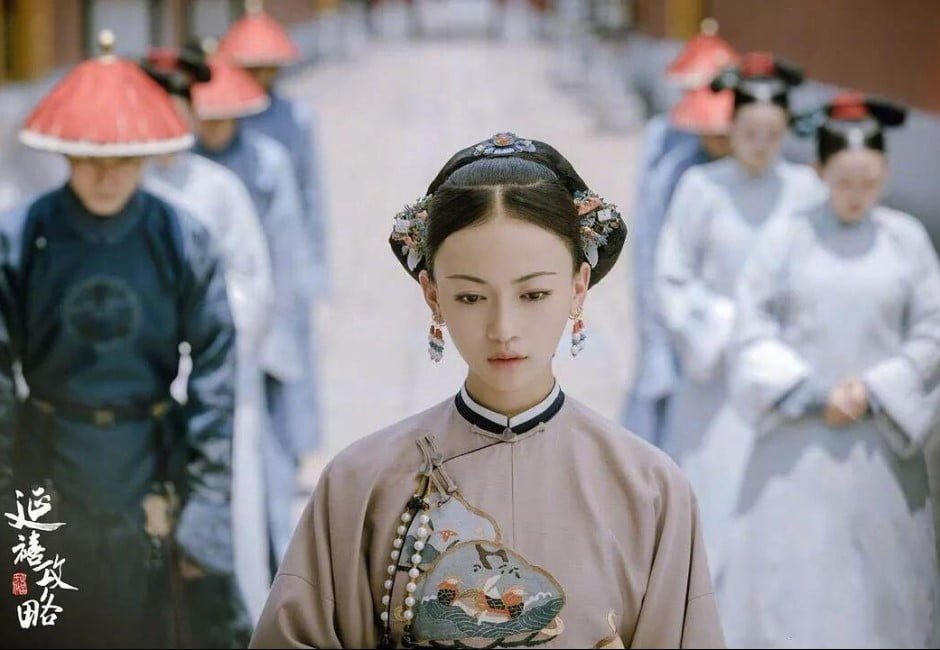
On the other hand, The Story of Yanxi Palace, which featured relatively unknown actresses and actors, and the has-beens, struggled to find investors and buyers. Its initial screening rights was going selling as low as US$10,000/episode (1/10th of the price of Ruyi or even less)! This show popped out of nowhere, with not much pre-publicity, and not much anticipation since its direction Yuzheng was known for his poor, kitschy aesthetics taste and rubbish dialogue/plot.
However, just a week or two into its screening, this “nobody” and frivolous show has become the talk of the town. Its top secret weapon of mass conversion? Authenticity.
Every single article was raving about the intangible cultural heritage crafts it featured and the huge amount of detail that was taken into consideration in order to be as authentic as possible.
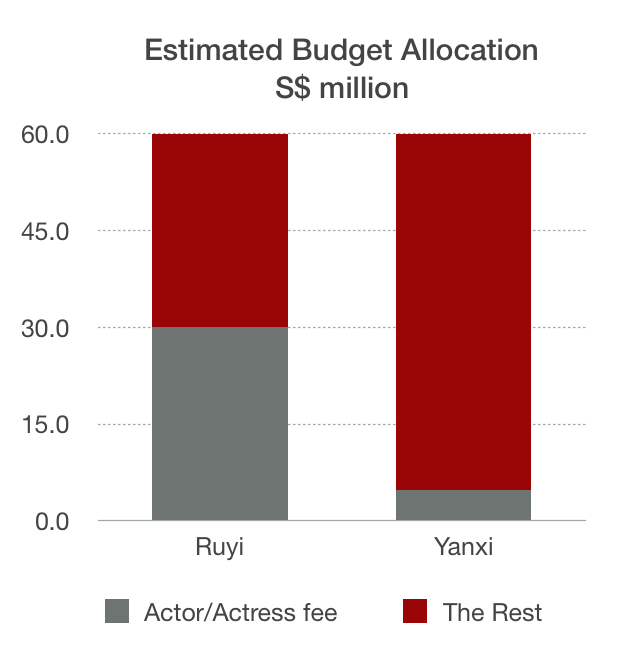
Expenses S$1= 5RMB | Ruyi Total: S$60 million | Yanxi Total: S$60 million |
| 1. Actor & Actress fee | Possibly S$ 30 million for all cast (50% of total budget) | S$4.8 million for ALL cast (8% of total budget) |
| 2. Sets, Make-up, Costumes, Accessories etc. | The remaining S$10 million was spent on CGI, make-up, accessories, costumes, set etc. | The remaining S$65 million (92% of budget) includes: Empress’ robe at S$80,000 |
So those are just numbers so astronomical that it’s hard to understand what they all mean and what they were spent on.
So to make life simpler for all of us, I’ve done a visual comparison of what their money got them, and I’ll leave it to you to judge the soundness of the investment/budgeting split.
EXPENSE ON CAST
 VS
VS 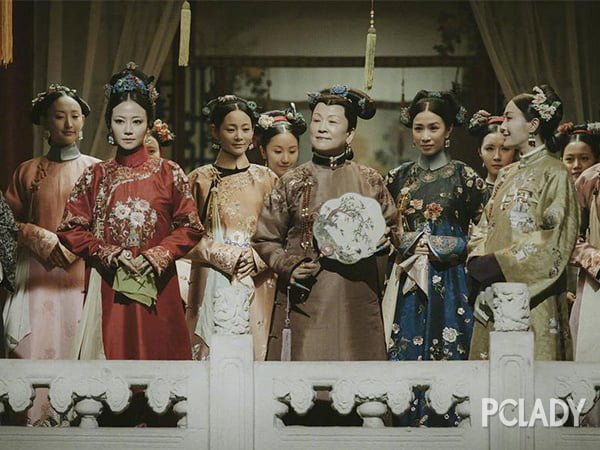
Ruyi | Yanxi |
| The 2 leading actor & actress are paid S$20 million (about 50-50 split between the two) which is 1/3 of the entire budget. Each of the lead actor/actress is paid about 18% of the entire budget. | For a seasoned actress like Charmaine She, she was paid S$400,000 which was just about 4% of each of the lead actor/actress in Ruyi. So a lead in this show is paid about 0.6% of the entire budget. |
| The show also featured other famous actors and actresses like Joan Chen who acted in The Last Emperor. | The show featured mostly new/unknown actresses and actors. |
EXPENSE ON EVERYTHING ELSE (STYLING, CGI/SET/PROPS)
I spent 3 posts talking about the huge attention to detail and authenticity in Yanxi, from Dresses, to Hairstyles, to the range of Intangible Cultural Heritage Crafts they featured. It is even more documentary than documentaries in its attention to details. Well, except for their western music orchestra part.
Ruyi, did try to have elements of authenticity like the ribbon and scarf (big deal) which was more like the late Qing style btw and I shall not elaborate on matters of taste:
Of course, most of the times imperial consorts would be dressed in gold and silver accessories, and filigree, cloisonne and kingfisher accessories would be the norm.
Both shows sourced from similar seller(s) for those pricier accessories (which is the same one that I get mine from), and I do see similar ones appearing in the shows. However, the true test comes to what do you do for those less important characters or shots.
Here’s their answers:
 VS
VS 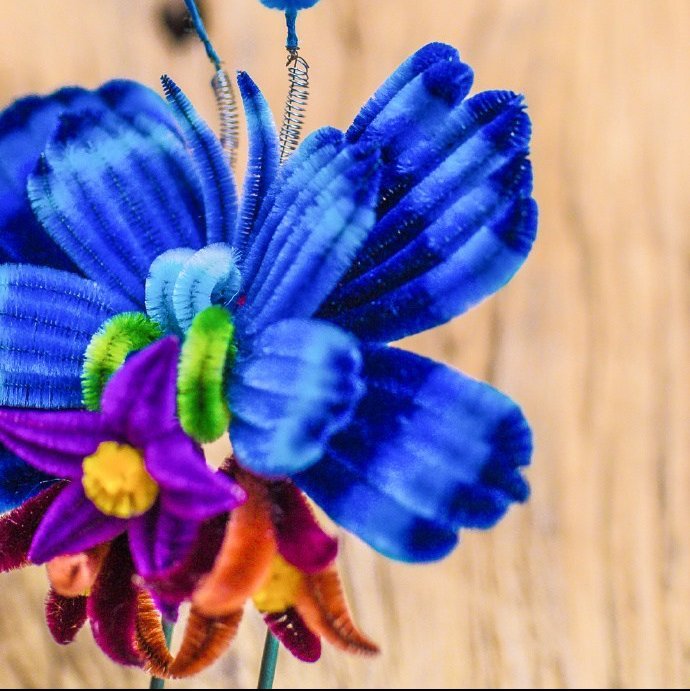
Ruyi | Yanxi |
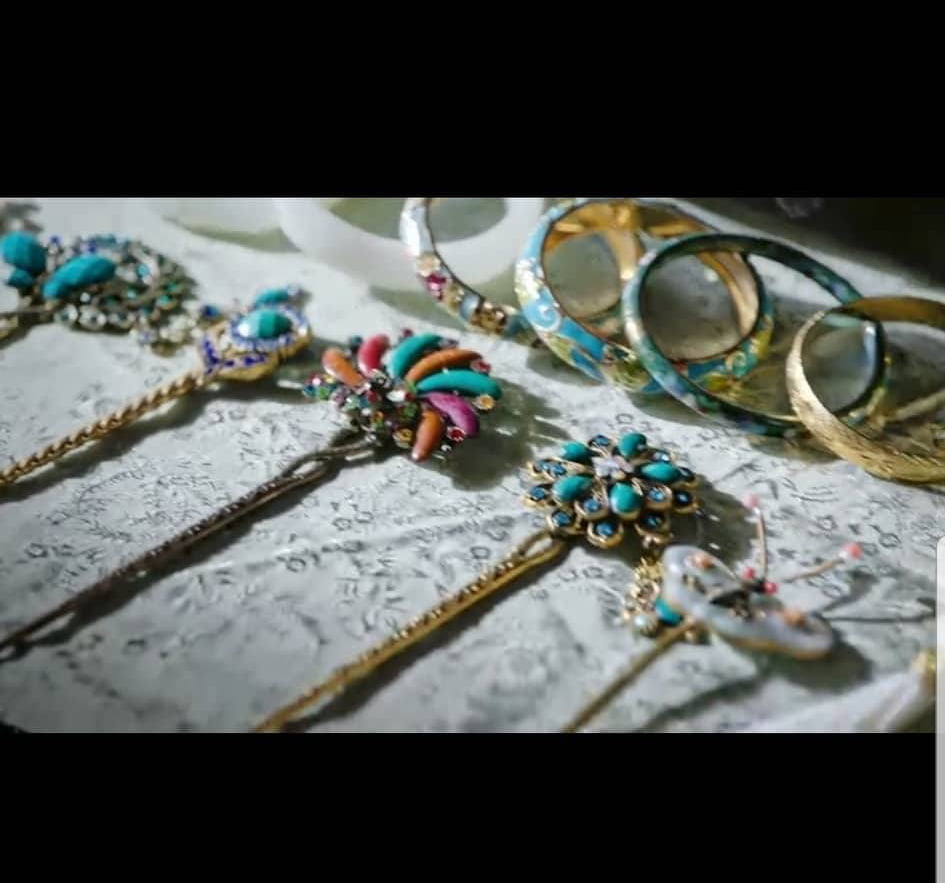
| Remaining 50% on sets, accessories, makeup, costumes, CGIs | Remaining 92% on sets, accessories, makeup, costumes, CGIs |
| There are cheap Taobao products, and then there are products which even Taobao sellers are giving away as freebies. The ones above fall into the category of the latter, unfortunately. I have received a few of these as freebies from Hanfu sellers and have thrown them away cos one must have standard! | These silk velvet flowers aren’t cheap, but of course compared to the gold and silver ones, it’s much more affordable. And they would add up to quite a significant amount. That being said, they are indeed valuable and has a legit origin—it is an intangible cultural heritage craft reserved for the imperial family that has been passed down since 1200 years ago from the Tang dynasty. |
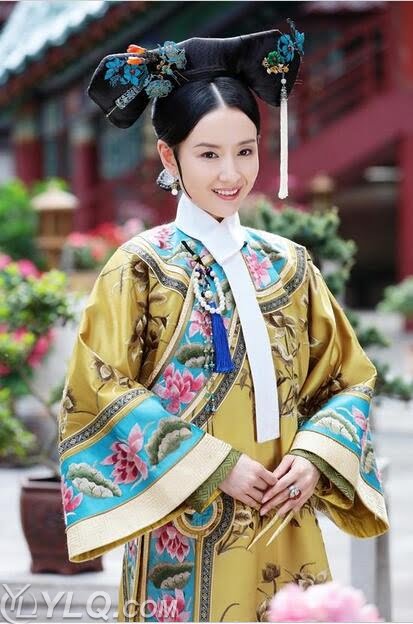
Then there’re the costumes. Accuracy aside, just look at the craftsmanship and fabric used.
 VS
VS 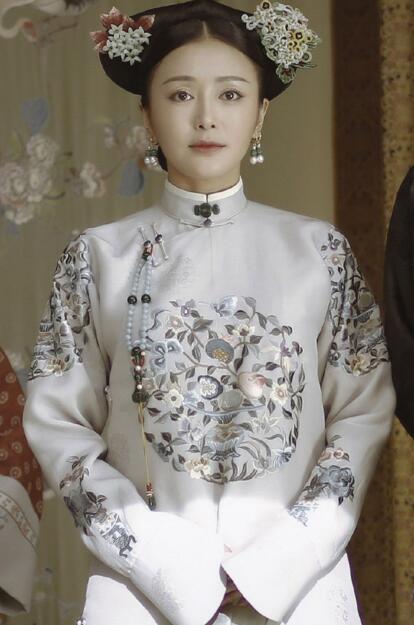
Ruyi | Yanxi |
| Machine-embroidered | Certain pieces are hand-embroidered with crafts like beaded embroidery, golden thread couching etc. |
| Um… I can find similar ones on Taobao for about S$200-300. But it’s not really the cost. If the cutting is accurate it would’ve been better… Notice the sleeves. | One of the empress’s robes alone cost S$80,000. And one of her more elaborate crowns cost over S$200,000 Emperor Qianlong’s robe with beaded embroidery and was hand embroidered by 8 craftsmen over half a year. These craftsmen were all involved in the making of replicas for the Palace Museum of Beijing. |
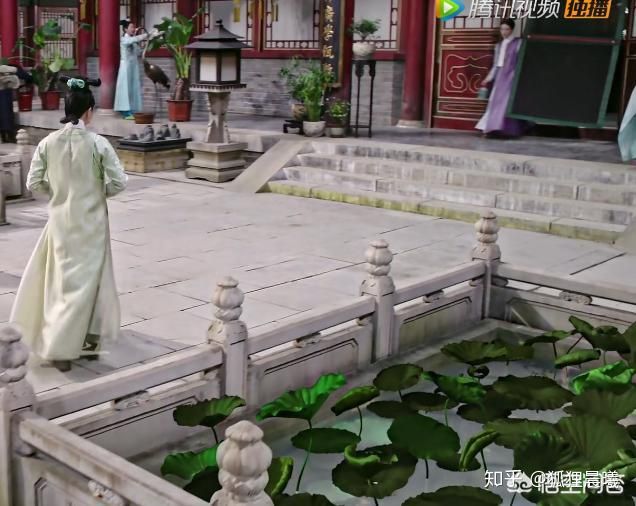
And there’s also the sets… and the CGIs.
 VS
VS 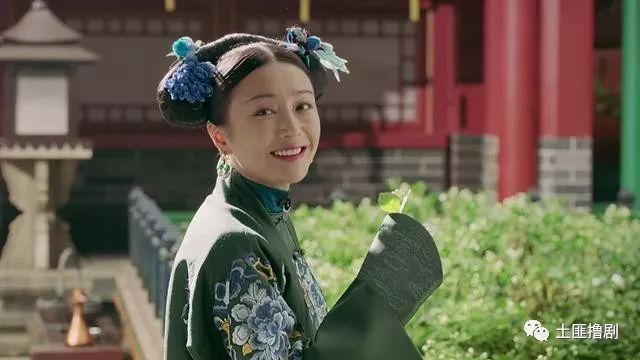
Ruyi | Yanxi |
| Poorly CGIed lotus pond | Even their trees are physically existing, let alone the bushes and flowers |
| There are also images of the far distance which look too green-screen add-ons. | Somehow the filter and CGI for backdrops aren’t so jarring. Not that I can detect as well. In the making of the show, they really showed that they put in a lot of effort to create the spaces and build physical sets. |
Besides the visual comparison above on value-for-money, there’s a particular point which I wish to bring out regarding the two productions–which is the jarring paycheck between the lead and the rest of the casts, and the other backstage workers.
In this case, Yanxi actually made a very good investment by paying everyone a fair wage for their hard work. Viewers were willing to cut it some slack when some things are not as historically accurate, because they got A for effort. Whereas in the case of Ruyi, right from the first few episodes, they were riddled with attacks of historical inaccuracies and blatant historical mistakes by viewers. The irony is that they claimed to have consulted the Palace Museum professors in their ceremonial rituals and etiquettes, and they made mistakes that even The Last Emperor, a film made by a foreigner in the 80s, didn’t.
One can see the added sense of trust and goodwill generated by a label of authenticity through these two examples. While it is often frowned upon these days to say “that’s how it has traditionally been”, in the case of the entertainment business, that line seems to be able to generate immeasurable benefit and lend greater legitimacy to productions.
While the Economies of scale creates greater efficiency and reduces costs, the Economies of authenticity although is less efficient and more costly, generates greater goodwill and positive branding. It is a tactic that has been deployed by top brands across the world (think luxury brands and their mentions of craftsmenship, legacy, traditions, cultural affiliations, handcrafted goods etc), and I’m quite happy that the Chinese have learnt to brand their own culture that way with great success in its domestic market through this show!
CONCLUDING REMARKS
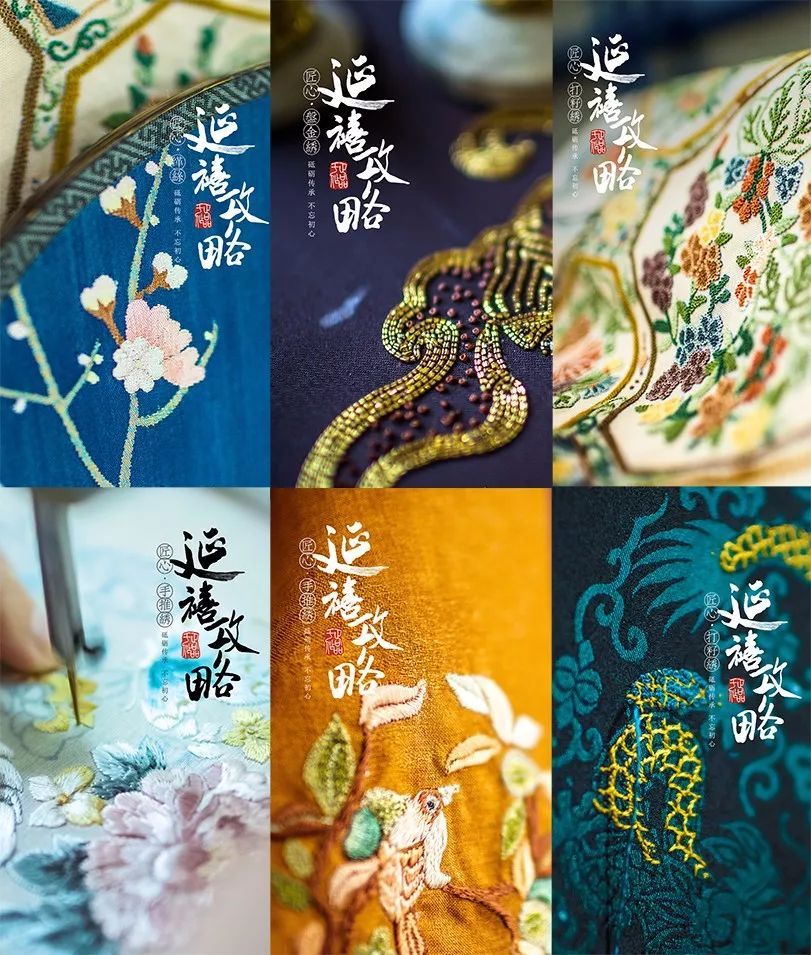
From a cultural point of view, Yanxi did so much more for the awareness and support of intangible cultural heritage and craftsmen than any other show. In a way, it is grander than the imperial consort plots in most shows which are really petty (although admittedly fun to watch).
From an entertainment point of view, I can understand why Ruyi has its own fanbase as well because the plot is probably more nuanced and the lead actress Zhouxun was able to portray a lot of subtle emotions. Wallace Huo is hopeless (sorry fans of Wallace, but he really can’t act).
I guess these days I am really about empowering the small players who are really the key players in carrying on our cultural heritage. When you look at the amount of knowledge, the value of the knowledge they carry, and you compare it with those of the celebrities, and the amount they get paid for those, you would realise that there is a huge injustice. I think it is about time that we stop looking at brands, and look at the intangible value of things around.
I admit that I was one of those who thought it’s so expensive to pay thousands to buy just an accessory, and I still feel the pinch. But after paying thousands to learn entry-level filigree, cloisonne etc, I realised that while you can learn to do it within a few weeks, the difference is really in the details and intricacies. And that takes years. At which point, I just wanted to go “JUST TAKE MY MONEY!” (yes I say that a lot these days…).
Perhaps it is also the beginning of a new awakening for some of the Chinese public where they realise the amount of beauty that their own culture is capable of, and how they were all deeply buried under the lack of media exposure and relevancy (yes, many traditions aren’t able to reinvent themselves to stay relevant, that’s a huge issue too).
Although I’m sad that it means I would have to wait a long time for this handmade stuff to be available for purchase with the increase in demand, I’m happy that there is a market for these authentic items now.


Leave a Reply